Cinematographer Andrzej Bartkowiak on Lighting and Camera
Award-winning cinematographer Andrzej Bartkowiak details the practical lighting and multi-camera setups used to create realistic action in films like
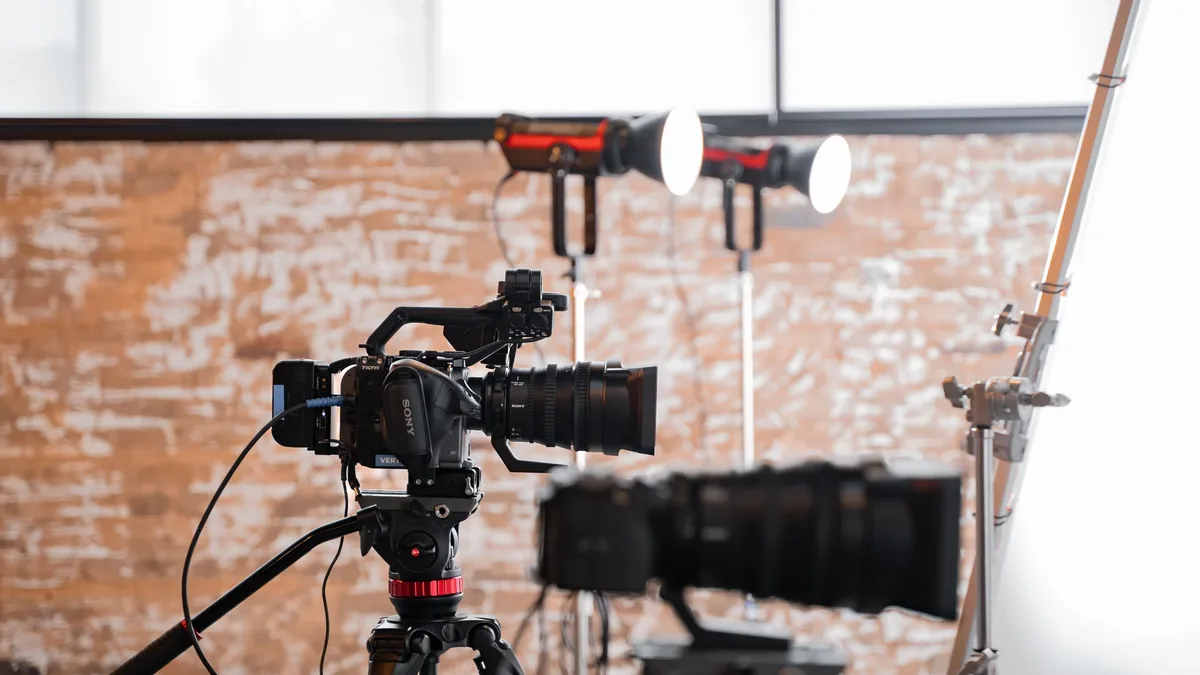
Award-winning cinematographer Andrzej Bartkowiak has revealed the extensive lighting and camera rigs used to create realistic action sequences. In a recent interview with Panavision, the Polish filmmaker detailed the techniques behind films like Speed and Dante's Peak.
Bartkowiak emphasized that action must look real, with objects and people appearing to be in genuine jeopardy. He stated, "Action, it has to be executed that it looks real. [That] objects, people are in real jeopardy." For the 1994 film Speed, this philosophy required elaborate hidden lighting.
Creating Natural Light on a Bus
The interior of the famous bus in Speed appears to be lit naturally. In reality, the vehicle was rigged with about ten HMI lights on its roof. These lights used giant eight-by-ten-foot cells to bounce illumination inside. This setup was necessary to properly expose the actors without blowing out the buildings visible through the windows.
Bartkowiak explained the extensive camera rigging for frontal shots. "If you see the rigging… on the front of the bus for the frontal shot, we have five cameras on the bungee cords with what we call the Popemobile. We have to put a plexi around for the window to hit Keanu and Sandy." The verisimilitude came from shooting practically; when the bus whipped around, the actors were genuinely slamming into its sides.
The Scale of Camera Crews
The number of cameras used varied dramatically between productions. On Speed, Bartkowiak operated with a maximum of thirteen cameras, typically using no more than seven for first-unit shooting. The scale was far greater on the disaster film Dante's Peak.
He recounted using a full twenty-seven camera crews, which included focus pullers and second assistants. "I mean, we could outvote any union meeting we wanted to on the set," Bartkowiak said. "[Because there] was more people on the set than in the union meetings!"
Directorial Efficiency and Film Footage
Bartkowiak highlighted the efficiency of different directors. Frequent collaborator Sidney Lumet typically shot only two takes per scene, with the second serving merely as a backup for focus. Director John Huston was also economical with film stock.
On Prizzi's Honor, starring Jack Nicholson, Bartkowiak shot only 180,000 feet of film for the entire movie. In stark contrast, a single day of shooting on Doom, starring Dwayne "The Rock" Johnson, consumed 150,000 feet of film.
A Lifelong Affinity for Panavision
The cinematographer's preference for Panavision equipment began early in his career while filming commercials. He transitioned from older Mitchell cameras to the Panaflex Lightweight system. He recalled an incident in Hawaii where he submerged a brand-new Panaflex camera under a wave. The camera was sent back to Panavision for repair and returned fully functional. The full interview is available on Panavision's channel.