Carol Allen-Storey's Collaborative
Carol Allen-Storey's book 'Defying the Myth' uses photos, poems, diaries, and testimonies to portray families raising children with disabilities.
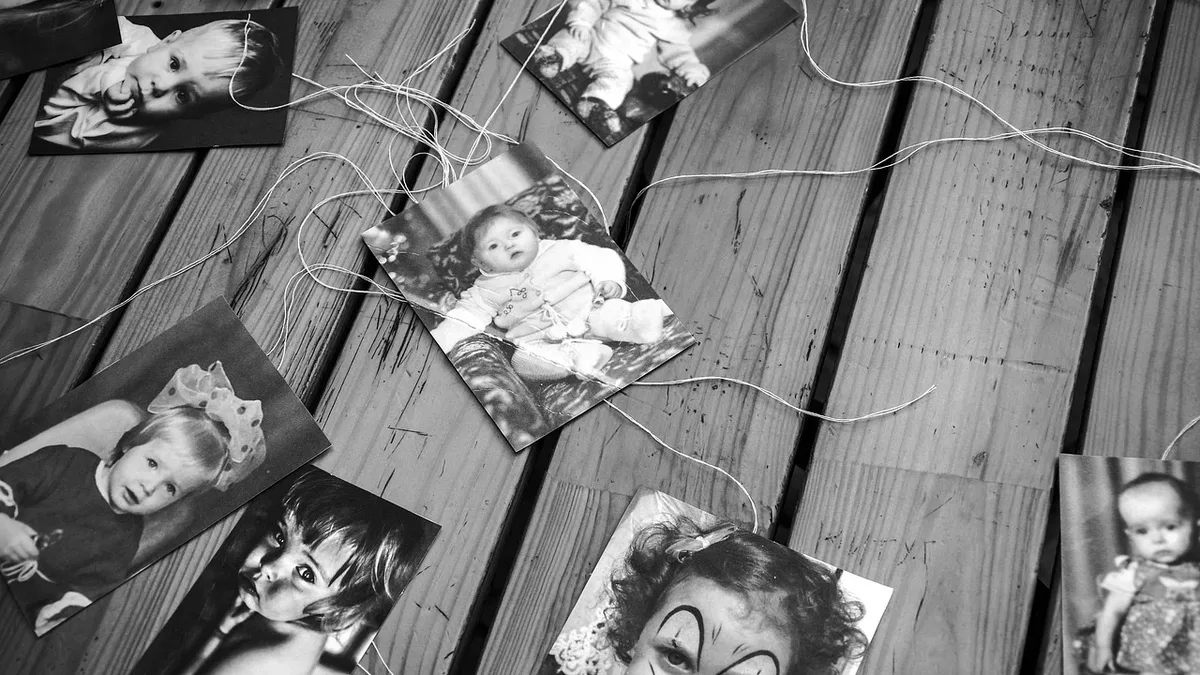
Carol Allen-Storey's new book, Defying the Myth, argues that truthful documentary stories emerge when photographers share the narrative with their subjects. The book, published by GOST in July 2026, explores the lives of three single mothers raising children with severe disabilities through a mix of photographs and personal contributions from the families.
Contemporary photographers increasingly question whether a single frame can convey another person's lived experience. Allen-Storey's project, shot over a decade, invites the people in front of the camera to become storytellers themselves.
Building the Narrative
For her project, Allen-Storey uses photographs alongside poems, diary entries, sketches, and handwritten reflections from parents, siblings, and grandparents. By relinquishing some of the camera's authority, she allows multiple voices to shape the story. Her photography captures moments of relentless care, such as a mother adjusting an epilepsy helmet or bathing her son after an exhausting day.
These are not dramatic images designed to elicit pity. Instead, they show the ordinary days filled with labor. Allen-Storey's career is based on intimate, long-term relationships with her subjects, a practice that informs the depth of this work.
Family Voices
The siblings' voices are arguably the most affecting part of the book. One sibling, Gabriel, writes candidly about his initial reluctance to tell classmates about his brother Mekhye, fearing ridicule. His embarrassment later subsided, giving way to pride as he learned compassion and resilience. Another sibling recalls childhood resentment over the attention a disabled sister received before understanding the realities of care.
The book does not edit away uncomfortable feelings. It embraces contradiction, acknowledging that love and frustration can coexist. This honest approach provides a broader understanding of how disability reshapes entire families.
A Multimedia Approach
The monochrome images are supplemented by drawings, handwritten poems, and collages that are a core part of the narrative. One teenager's recurring nightmares become expressive sketches, while another's illustrations chart a developing artistic identity. These elements reveal that lived experience extends beyond what a camera can observe.
Allen-Storey positions her photography alongside testimony, memory, and personal reflection. Cumulatively, the book feels more truthful than using one medium alone. She told the source, 'I initiated this project to create a vibrant voice for primary caregivers... The goal is to raise wide public awareness about the challenges.'
Book Details and Impact
The book's rhythm alternates between photographs and textual contributions every few pages. This structure deepens the visual flow and widens the conversation. Allen-Storey avoids portraying the families through a prism of hardship or inspiration, instead showing them negotiating lives shaped by extraordinary responsibilities.
All proceeds Carol Allen-Storey receives from the book's sales will go directly to the three mothers featured, Shoulana, Annalisa and Nicola, to nurture their children's futures. The photographs linger, but so do the surrounding voices: a mother dancing in her kitchen, a child waiting before surgery, quiet embraces communicating exhaustion and love. The work demonstrates that powerful documentary practice can begin by listening and handing part of the narrative back.