NYIP Program Improves Film and Digital
A photographer explains how the structured, critique-based New York Institute of Photography program improved their work in both film and digital mediums
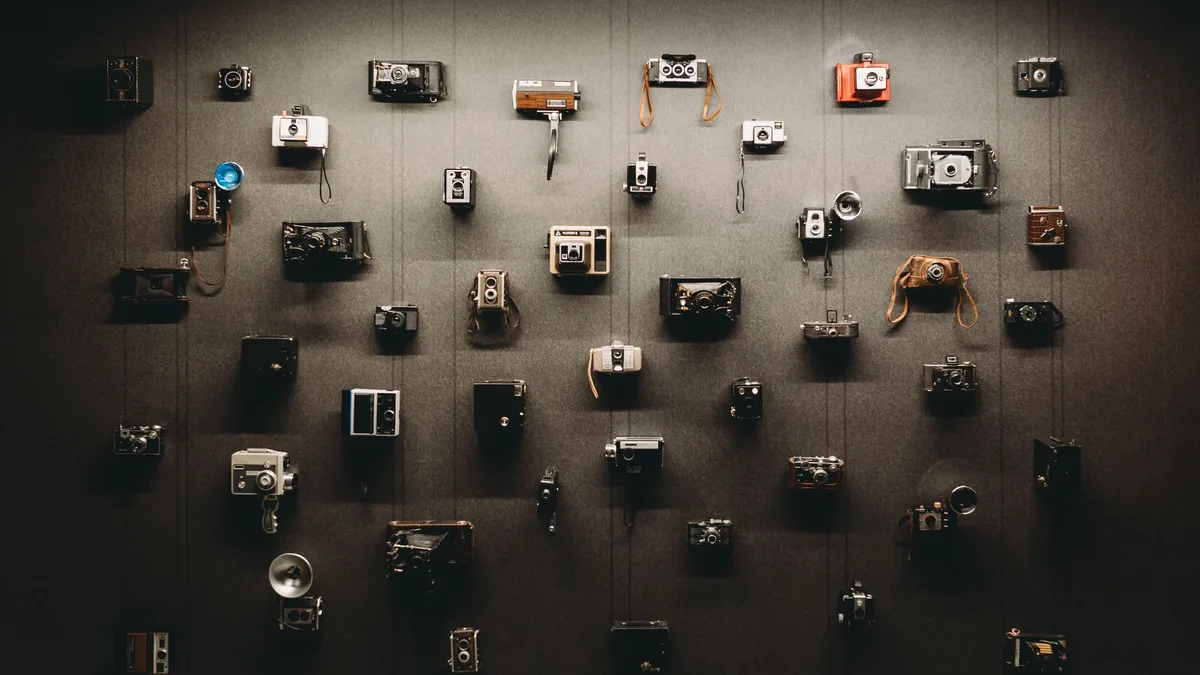
A photographer credits the New York Institute of Photography's structured program for improving their work with both film and digital cameras. The course, which started as a correspondence school in 1910, provided discipline that transcended gear, according to a report on Fstoppers.
Before enrolling, the photographer was inconsistent and stuck in a technical trap, relying on YouTube for quick tips. They wanted a foundation that focused on emotional resonance, visual strength, and storytelling impact, which NYIP's project-based assignments provided.
From Guessing to Pre-Visualizing
NYIP taught the photographer to see the frame before lifting the camera. This discipline of pre-visualization increased their hit rate by letting life unfold naturally rather than forcing a scene. They now practice the Peek Exercise, waiting for a subject to partially reveal itself within a natural edge to build anticipation.
This approach works for both street photography and wildlife. It shifts the focus from simply recording to creating a photo that feels like a meeting.
Light First, Gear Second
The program shifted the photographer's obsession from sensor specs to light as content. They now look for relationships among light sources to create visual metaphors, such as the contrast between blue hour's cold tones and warm amber light.
This philosophy extends to editing, where restraint is key. Over-processing kills resonance by making the viewer aware of the edit instead of the moment.
Shooting With Editorial Discipline
NYIP's assignments taught the photographer to think in sequences, not just hunt for single shots. This turns a collection of photos into a narrative, which is invaluable for client galleries. They now evaluate work by asking what new understanding a photo provides the viewer.
A great photo should make someone feel something before they read a caption. However, the caption is what turns a solid frame into an understood one.
Intentional Film Photography
The transition back to analog felt natural because NYIP's truth-first philosophy is baked into the medium. The photographer learned to meter with purpose, deciding where detail should live for storytelling.
They treat each 36-exposure roll as a mini-project, looking for thresholds where something changes. With film prices climbing roughly 10% or more on some stocks, every frame must count. An internalized critique asks if an image lingers and deepens understanding before the shutter is clicked.
The photographer also learned that professional work can be made close to home. Familiarity allows for noticing patterns and rituals that casual visitors miss.
Structured Learning vs. Online Tips
While YouTube is useful for technical specifics, it rarely teaches the discipline of attention. A structured course provides professional critique, cumulative lessons, and mentor-paced assignments with pass or fail feedback.
For example, when struggling with a flatbed scanner like an Epson Perfection V600 Photo, YouTube suggested buying a better machine. NYIP's mindset led to fixing the process by cleaning negatives and turning off automatic software corrections.
The program is ideal for film shooters wanting repeatable skills, digital photographers escaping the familiarity trap, and families looking for hands-on lessons in cause and effect. It serves as a reset button for those stuck in a loop of buying new gear.