Wildlife photographer Suzi Eszterhas on
American wildlife photographer Suzi Eszterhas, 48, recounts surviving threats from men in Kenya and Greece and details pervasive sexism in her field.
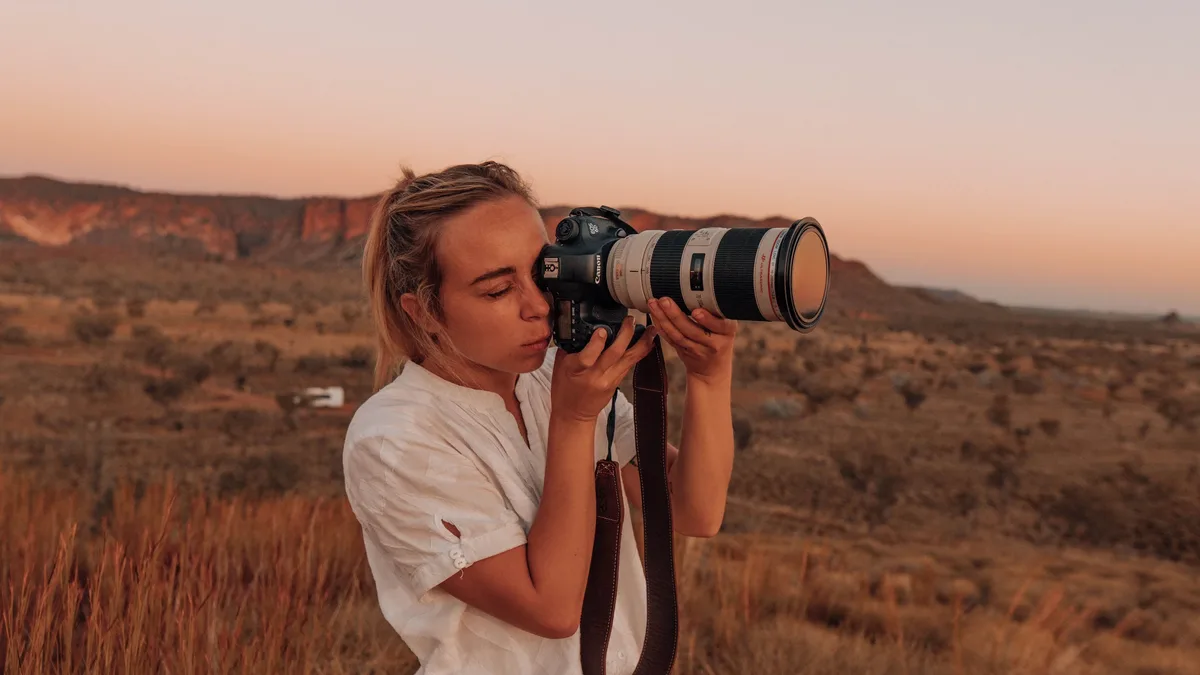
American wildlife photographer Suzi Eszterhas has survived dangerous confrontations while working. In her thirties at a Kenyan bushcamp, she was falsely accused of poaching a cheetah cub. She had 12 very intoxicated rangers trying to take her into custody at about midnight. She talked her way out and fled. On an earlier trip to Corfu, Greece, she was grabbed off a street at night and thrown into a car. She fought her way free with help from bystanders. These experiences taught her harsh lessons about safety for a female photographer working alone in unfamiliar places.
The male-dominated field
Eszterhas began her career young, selling pictures at age 19 and going full-time at 25. She says very few women worked as independent, professional nature photographers then. Most of her mentors were men. She stated there were a lot of moments where she experienced sexism and sexual harassment in the field among her peers. One egregious incident occurred on an Antarctic expedition cruise. Over an open radio channel heard by all staff and guests, a voice said they should get her on the beach in a bikini to see her ass. Eszterhas says she initially bottled up such comments but later grew tougher and learned to stand up for herself.
She cites several reasons for the field's historical male dominance. It is intensely competitive and can be physically demanding with heavy gear. The prospect of motherhood also presents a challenge for women who may need to travel extensively. Underlying prejudice also plays a role. Eszterhas describes a good ol' boy attitude in the U.S., tied to a culture of big lenses, big guns that is territorial and unwelcoming to outsiders, especially women.
Mentoring the next generation
In 2017, Eszterhas founded Girls Who Click, a non-profit supporting teen girls entering nature and wildlife photography. The organization has assisted over 2,000 girls through free workshops. Its Ambassador mentorship program has guided 150 young women. Every year, 15 applicants from a pool of around 300 receive a year-long mentorship with a professional female photographer. Mentors have included Ami Vitale, Erin Ranney, and Karine Aigner. Applications for the Ambassador program reopen this autumn.
The non-profit provides ongoing advice on navigating sexism and harassment. Mentors discuss when to report incidents and how to stand up for oneself without endangering a job. They teach safety without inducing paranoia, noting that risks exist at home as well as abroad.
Safety and cultural awareness
Girls Who Click emphasizes practical safety strategies for young photographers. They advocate using a buddy system and avoiding traveling alone. Understanding cultural norms is critical for personal safety and professional credibility. Eszterhas uses India as an example. She advises women traveling there alone to dress modestly, aligning with local customs, to avoid dangerous attention and to be taken seriously when obtaining permits. The goal is to respect a culture while staying safe enough to work within it.
The work and its demands
Eszterhas specializes in photographing mother and baby animals, drawn to their vulnerability and innocence. She explained that the right image can crack your heart wide open and make you feel something for that animal. Her work requires immense patience and a slow, careful approach to avoid disturbing protective mothers. Her project with jackals in Kenya was particularly grueling. It took her 17 days to habituate a mom and dad jackal until she was close enough to get photos. This meant sitting at their den from sunrise to sunset, inching her car closer each day.
She has endured physical hardships for her images, including jellyfish stings in Panama and numerous parasites. Bugs have laid eggs in her feet, and she has had ticks in her nose and insects in her ears. For Eszterhas, these trials are part of immersing herself in the animals' worlds.
Her story is featured in the documentary film My Wild Life, which premieres in October at the CA Academy of Sciences and will broadcast in the United States next year. The film explores her global adventures and the challenges faced in wildlife photography.