Rio's Ballroom Scene: Performance and
A photographer documents the vibrant, growing ballroom culture of Rio de Janeiro, exploring the light, energy, and community forged in its performances.
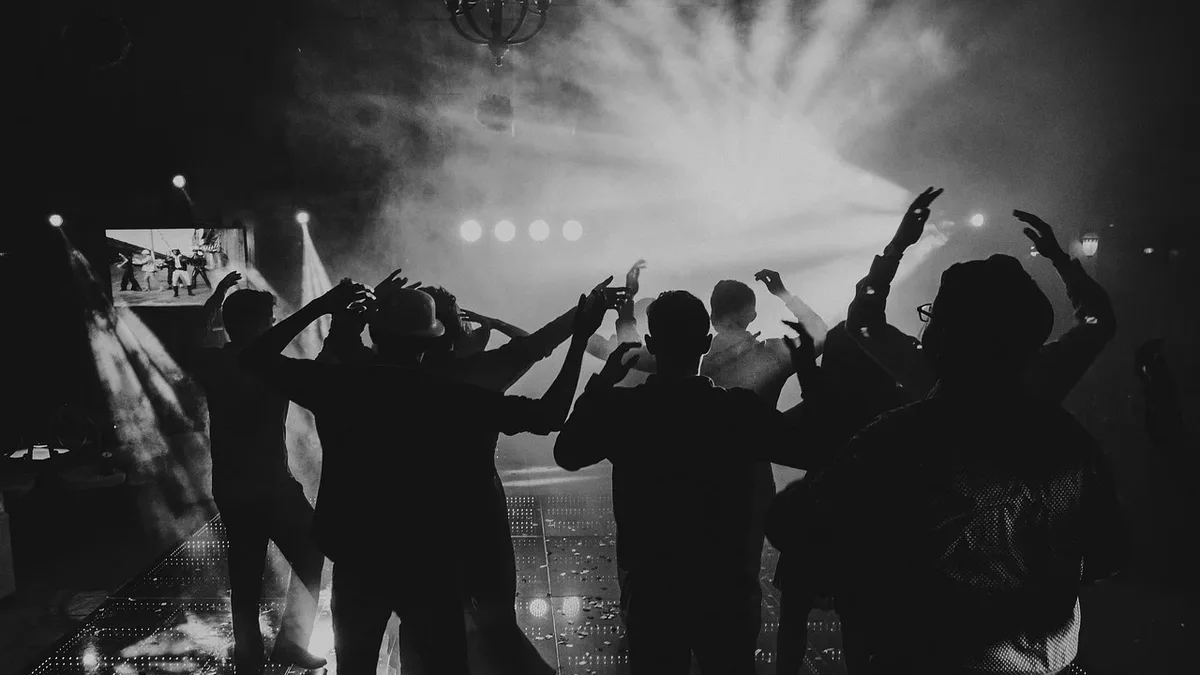
A photographer first encountered Rio de Janeiro's ballroom scene in 2023 at the Noite das Estrelas event in Maré. Following performer Preta Queen B Rull through the streets, they witnessed a procession that changed the rhythm of the neighbourhood, culminating in a runway formed inside a warehouse.
The energy between the runway and the crowd is what draws the photographer back. It is a force built from presence and belonging. For a few hours, no one has to make themselves smaller to fit into the world. Photographing a ball demands quick decisions. Hesitate, and the moment disappears.
The Roots and Rise of Rio's Scene
Ballroom culture began in New York between the late 1960s and the 1970s. It was created by Black and Latinx LGBTQ+ people responding to racism and exclusion. In Rio, the scene began to organise around 2015 and 2016. The Conferência das Bruxas event in May 2016 is locally recognised as the first ball in the state.
The scene has developed according to Rio's own geographies and rhythms. It incorporates funk, carnival, and the cultures of the city's peripheries. The House of Cazul and the House of Kínisi played pioneering roles in consolidating house culture in the region.
Names, Titles, and the Frame
Names indicate belonging and position within ballroom. Members often adopt their house name as a surname. Specific titles denote roles and achievements.
The photographer works at close range because the spaces are generally small. They allow flashes, arms, heads, and mobile phones into the frame. These elements are part of the scene and do not disturb the work.
Continuity Beyond the Runway
The scene attracts larger audiences and enters higher-profile venues. But this does not mean leaving the periphery behind. In Maré, Legendary Lua Brainer Kiki, who was born and raised there, helps build the local scene through Ballroom na Maré.
Relationships forged here extend beyond the performance. Before Pajuball, Azch 007 Kiki helped Mother Rebecaza de Ra Kiki Colombia finish her outfit. They had not seen each other for three years. That evening, Rebecaza wore the outfit and won the grand prize.
Another project, Sustenta Carnaval, collects costumes discarded after carnival and puts them back into use. For a shoot with the House of La Bella Mafia, creative director Madah Sodré stepped into the street wearing one of the looks. A VLT tram passed, and the passengers turned to look.
In the final image, the ball is already behind them. Outside, Legendary Runway Vitória Jovem 007, Daniela Raio Klandestina, and others talk and laugh before heading in different directions. The photographer's work is also moving that way: beyond the runway, towards the everyday lives of the houses.